Published
- 2 min read
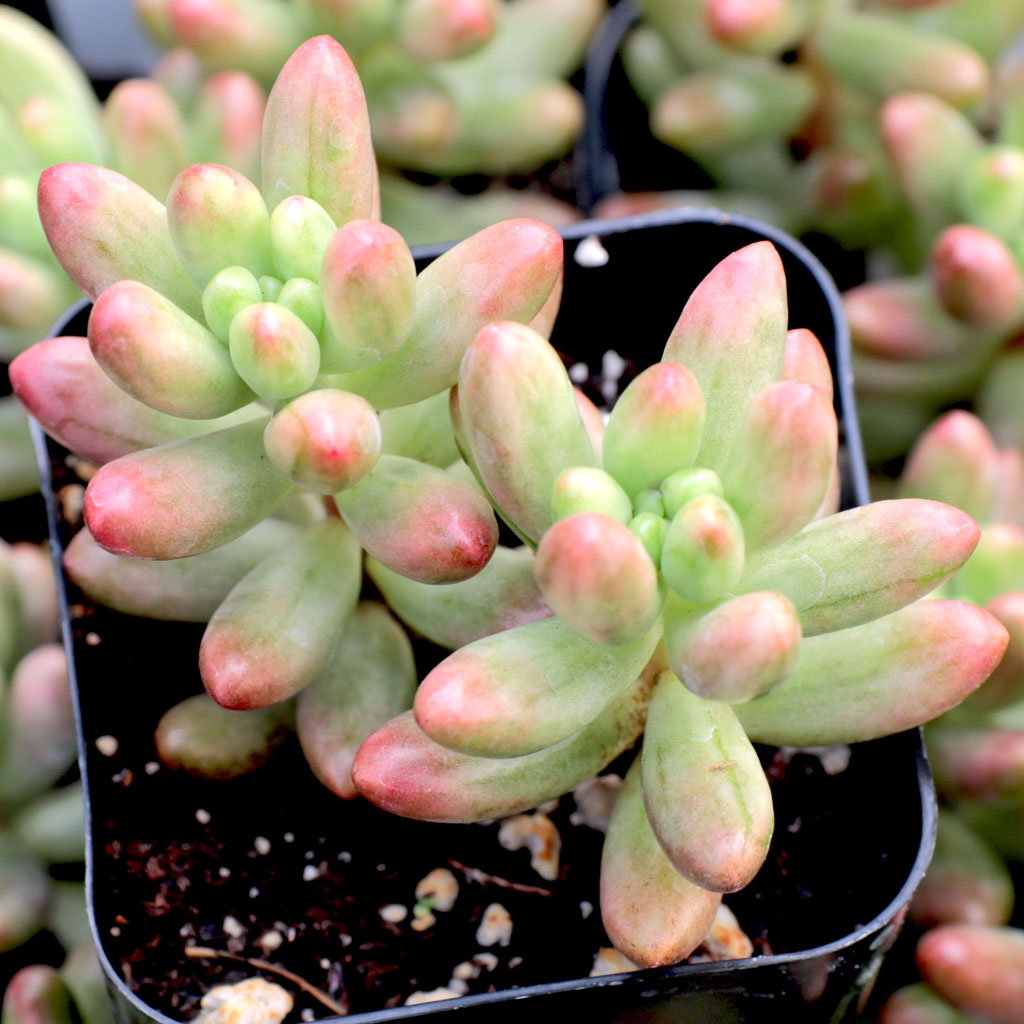
Pale Snow
Overview
Pale Snow typically refers to Graptopetalum paraguayense (Ghost Plant) or closely related hybrids within the Graptopetalum / Graptoveria group. Unlike Haworthia, it belongs to the Crassulaceae family and is widely cultivated rather than rare. It features thick, powdery leaves with soft pastel tones ranging from blue-gray to pink and peach under light stress. The plant forms loose rosettes and often grows along elongated stems over time, giving it a trailing or clustered appearance.
Light Requirements
Pale Snow prefers strong light and responds well to sun exposure:
- Ideal condition: Bright light to full sun
- Indoor growing: South or west-facing windows
- Direct sun: Encourages compact growth and color change
- Low light effects: Etiolation (stretching), loss of color, loose rosettes
Watering Schedule
Pale Snow is drought-tolerant and prefers a dry cycle:
- Growing season (Spring/Summer): Water every 2–3 weeks
- Dormancy (Fall/Winter): Water every 3–4 weeks
- Overwatering: Leads to rot, especially in dense soil
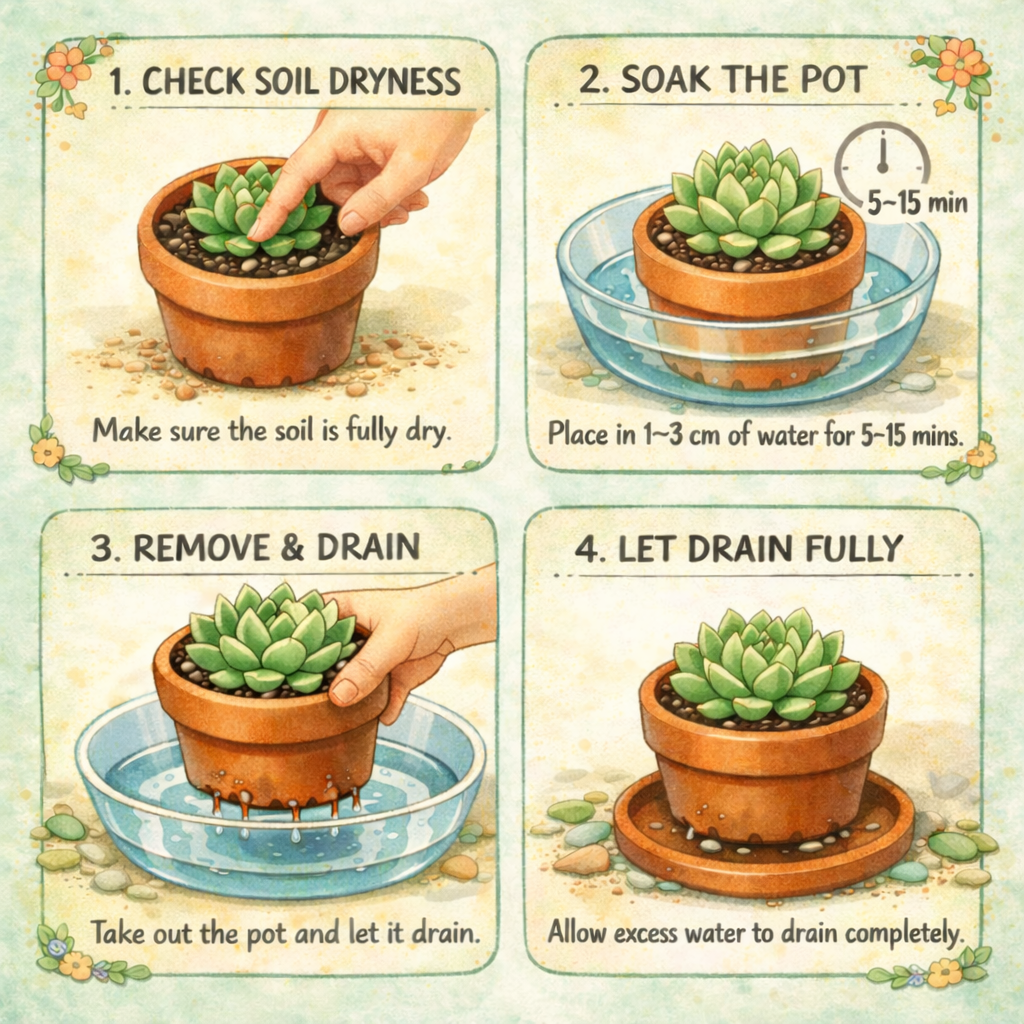
- Watering method: Soak thoroughly, then allow complete drying
- Test: Soil must be fully dry before watering
- Best watering method: Bottom watering is preferred over top watering. Place the pot in 1–3 cm of water for about 5–15 minutes, then remove it and let excess water drain completely.
Soil Requirements
Fast-draining soil is essential:
- Best option: Cactus or succulent mix
- DIY mix: Potting soil + perlite/pumice (at least 50% inorganic)
- Drainage: Must drain quickly and dry fast
- Pot: Terracotta recommended for airflow
Temperature & Humidity
- Ideal temperature: 60–80°F (15–27°C)
- Minimum temperature: ~40°F (5°C, avoid frost)
- Humidity: Low humidity preferred
- Outdoor zones: USDA 9–11
Propagation
Very easy to propagate:
- Leaf propagation: High success rate
- Stem cuttings: Root quickly
- Offsets: Naturally forms clusters
- Difficulty: Easy
Common Issues
- Etiolation: Caused by insufficient light
- Rot: From overwatering or poor drainage
- Leaf drop: Normal during handling or stress
- Pests: Occasional mealybugs
Tips
- Do not touch leaves frequently (protect powder coating)
- Increase light gradually to avoid sunburn
- Ideal for beginners due to resilience and easy propagation